Not a buying guide this time. Just what actually happens between finding a piece and listing it.
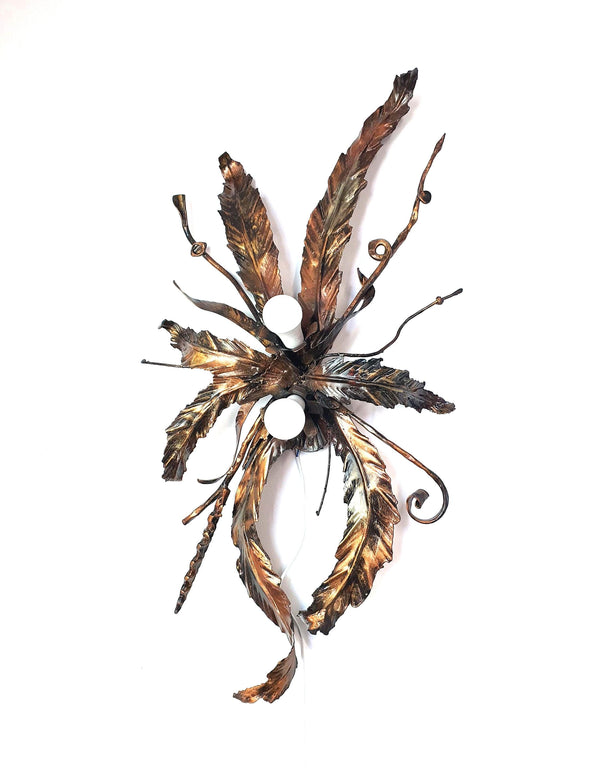
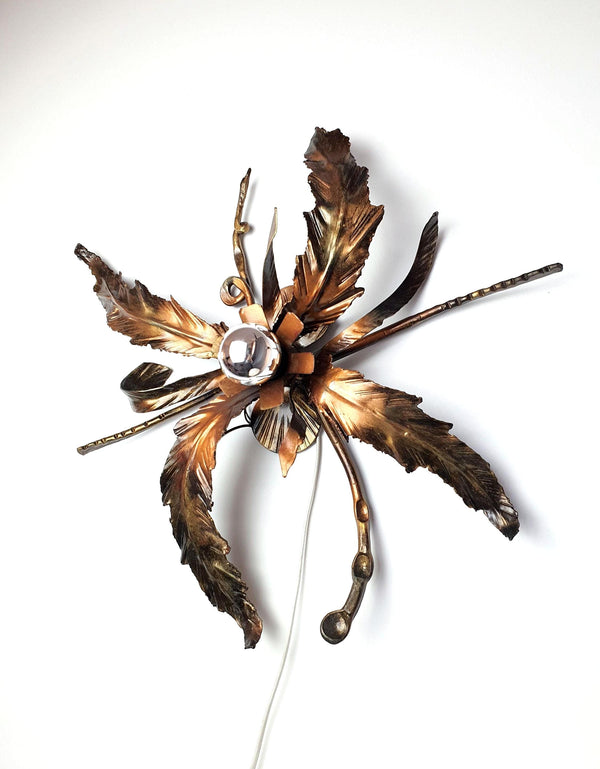
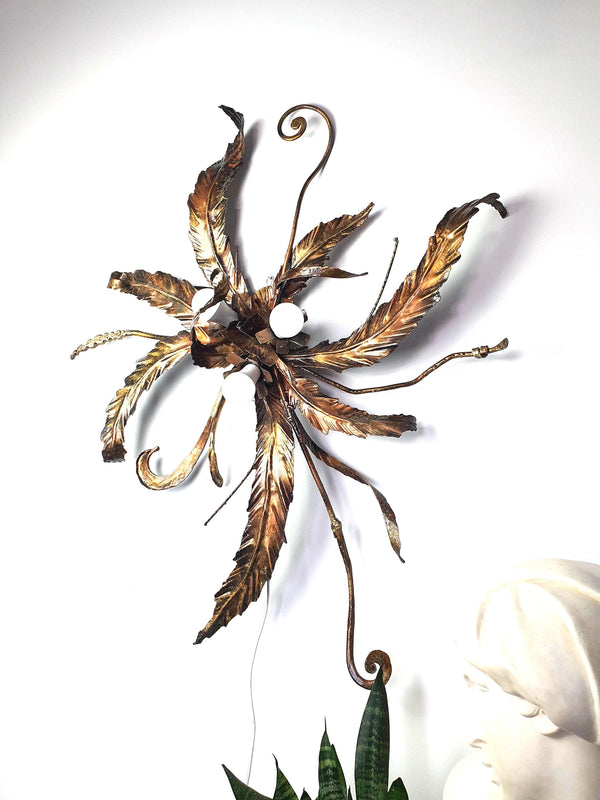
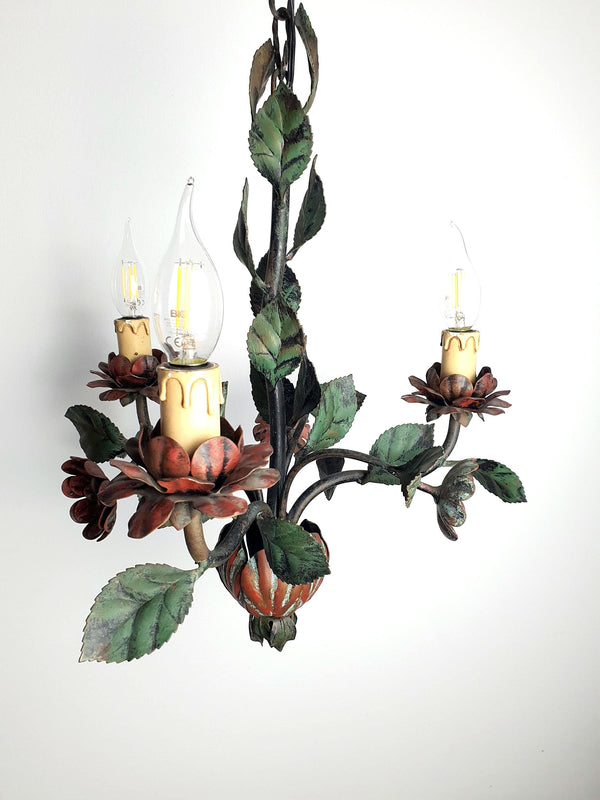
A lot of what I source comes from a very specific, very ordinary moment: someone has inherited a house in Friuli-Venezia Giulia or nearby in Veneto, and they're finally ready to make it theirs. New floors, fresh paint, a kitchen that doesn't belong to 1974 anymore. And hanging in the middle of all that renovation energy is a chandelier or a wall light that's been there since before they were born, and to them, it doesn't read as beautiful. It reads as clutter. It looks like their grandmother's house, and they are actively trying to stop their house from looking like their grandmother's house.
I understand that reaction completely, because I've felt the exact same thing, just pointed at different objects.
What's invisible to you is often exactly what's precious to someone else
Where I grew up, old things were just... old things. Furniture and objects from my grandparents' generation were everywhere, so ordinary that I couldn't see them as anything but ordinary. No craft, no history, no charm, just stuff that happened to still exist. It took leaving that familiarity behind for me to actually see Italian vintage glass with fresh eyes, as something genuinely beautiful rather than something merely present. I didn't grow up around Murano glass, so I never had the chance to get bored of it, and that turned out to matter more than I expected. That's more or less the exact position the families I buy from are in. They grew up under that chandelier. It was just the light in the hallway, the thing that was always slightly too dim, the thing that didn't match the sofa they wanted. They're not wrong that it doesn't fit the home they're building now. They're just not the right audience to see what it actually is, because they've never once looked at it as an outsider would.
It's closer to finding a classic car than making a deal
The closest comparison I can give is buying a genuinely good classic car from someone who just wants their garage back. They're not trying to get a fair price for a rare object, because to them, it isn't one, it's a big, awkward thing taking up space that they associate with someone else's taste, not their own. Nobody's being taken advantage of in that exchange. The seller gets exactly what they actually want (space, a fresh start, one less decision to make), and the object goes to someone who was always going to value it properly. That's a genuinely fair trade, it's just not a trade between two people who agree on what the object is worth, and it doesn't need to be.
What I actually do when I find one
I take it down myself, standing on a ladder in someone's hallway or dining room while the rest of the house is often mid-renovation around me. That means I see it exactly as it existed in that home for decades, wiring, mounting, condition, and all, before anyone's cleaned it up or staged it for a photo. Before I did this full-time, I spent six years in electronics repair, running a repair company built specifically around keeping things that still had life in them out of landfills, rather than the default of throwing something out the moment it stops looking new. It's the same instinct at work here, honestly. A chandelier someone wants gone because it doesn't fit their new kitchen isn't so different from a machine someone assumed was dead because nobody had bothered to actually look closely. Sometimes the wiring genuinely does need replacing, and when it does, I do that myself, properly, and it's stated plainly in the listing either way. But that's a smaller part of the story than people probably expect. The bigger part is just paying attention to something other people have stopped seeing at all.
Why this actually changes what you're buying
What ends up in my listings isn't clutter that got lucky. It's genuinely well-made, often decades-original lighting that happened to belong to someone who couldn't see it clearly anymore, because it had simply been there too long, too familiar, too much a part of the wallpaper of their own life. I get to be the person seeing it fresh. That's really the whole job.
If any of this sounds like your own hallway or your grandmother's dining room, I'd genuinely like to hear about it, whether or not there's a sale in it. In the meantime, you can browse what's currently found and restored across pendant lights, wall sconces, table lamps, or the full collection. The honest version of how each piece is checked and, when needed, rewired is in the about Murano glass section, and how it all gets to you safely is covered in the shipping policy.